


The Negative Effects of Social Media on Mental Health
Social media has become integral to our lives, connecting us to people and information in ways we never thought possible. But behind the filters and the funny memes, there is…

Understanding and Managing Post-Acute Withdrawal Syndrome (PAWS)
Have you ever wondered what happens after overcoming the initial hurdles of substance withdrawal? Let’s dive into the world of Post-Acute Withdrawal Syndrome (PAWS), a lesser-known but crucial phase of…

Cultivating Resilience in Teens: Expert Advice from a Psychiatrist
In today’s fast-paced and demanding world, it has become increasingly crucial to equip our teenagers with the necessary tools to navigate the challenges they face. Building resilience in teens is…
The Importance of Self-Care for Your Mental Health
As we observe Mental Health Awareness Month this May, it’s essential to recognize the importance of self-care in maintaining and improving your mental health. In today’s fast-paced world, it’s easy…

The Psychological Effects of Stress and How Therapy Can Help
Stress. It’s at the root of so many of life’s difficulties, not to mention its adverse impacts on physical and mental health. And in today’s fast-paced world, reigning in the…
Types of Personality Disorders and Their Treatment Options
Are you concerned that you or a loved one may have a personality disorder? Unfortunately, personality disorders are more common than you think. According to the American Psychiatric Association, about…

How to Help Someone Who Self-Harms
Discovering that someone you love self-harms isn’t easy. You may find it challenging to understand and unsure of what to do next. Should you tell someone? Keep it a secret…

What Are The Types of Psychotic Disorders and Treatments?
According to the National Library of Medicine, roughly 1.5 to 3.5 percent of people will meet the criteria to be diagnosed with a psychotic disorder. Although this number seems low,…

A Healthy Relationship With Yourself Improves Mental Health
It’s safe to say that the most important relationship you will ever have is the one you have with yourself. Who do you spend the most time with? Who is…

How Therapy Can Support Holistic Mental Health Treatments
How Therapy Can Support Holistic Mental Health Treatments Anxiety and depression are two of the most common mental health issues people face today. If you’re one of those people, you…
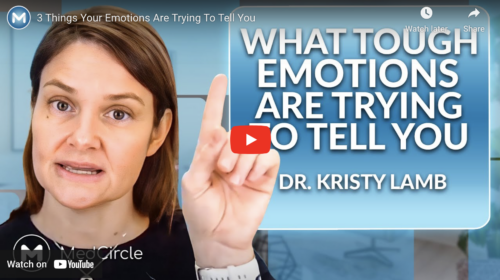
3 things your emotions are trying to tell you
3 things your emotions are trying to tell you Your toughest emotions can actually be superpowers. In this video with MedCircle, Dr. Kristy Lamb breaks down 3 things your toughest…

What You Should Know About Psychiatric Comorbidity
What You Should Know About Psychiatric Comorbidity You may find it a little unsettling if your doctor or mental health provider has mentioned the term “psychiatric comorbidity” when referencing your…