

San Diego's Most Trusted Depression Treatment Center
Major depressive disorder (MDD) is characterized by persistent feelings of sadness, loss of interest or pleasure in activities once enjoyed, and changes in appetite or sleep patterns. These symptoms typically last for at least two weeks and can interfere significantly with a person's daily life.
While the exact cause of MDD is unknown, it is thought to be a combination of biological, psychological, and social factors. People with MDD may also experience feelings of worthlessness, hopelessness, or difficulty concentrating.
Fortunately, MDD is a treatable condition. Effective treatments include psychotherapy, medication, or a combination of both. If you are experiencing symptoms of MDD, it is important to seek professional help. In San Diego, there are various treatment providers available, including BOLD Health.
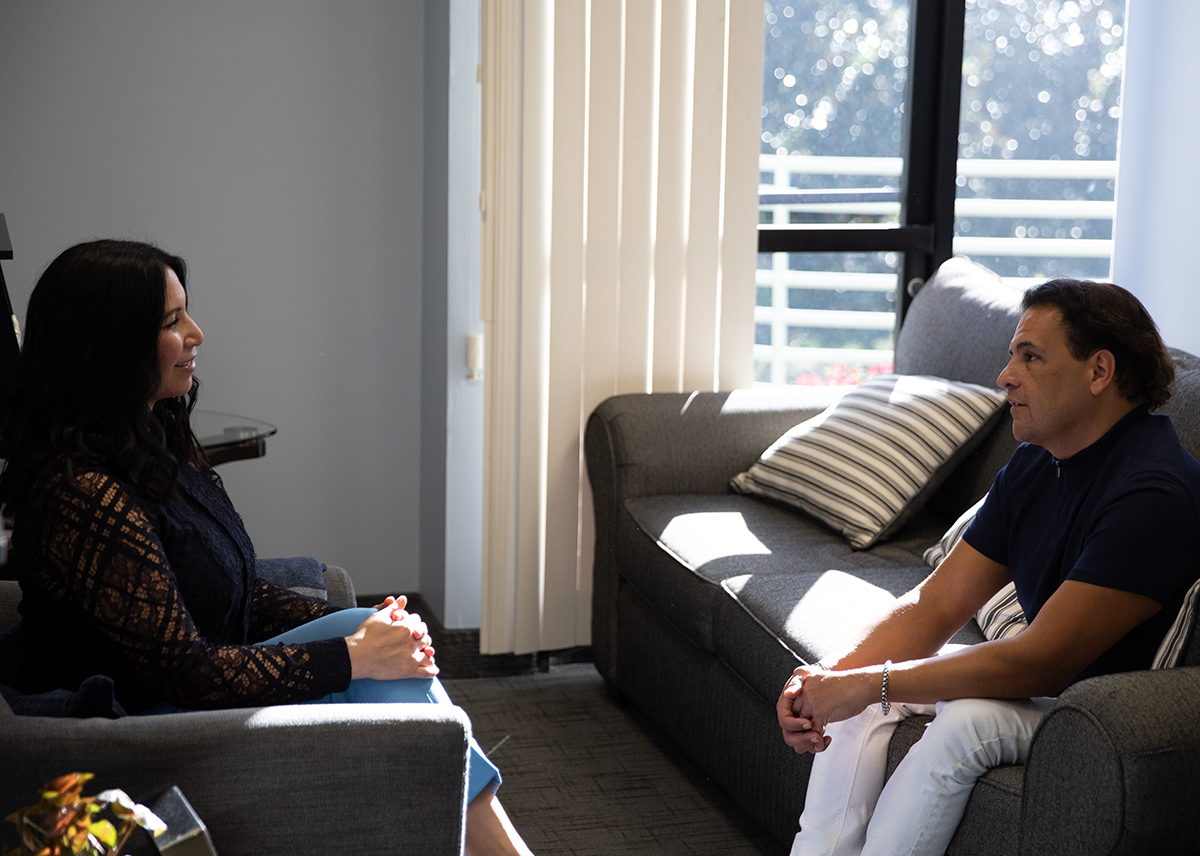
Take the first BOLD step towards healing.
Now Available: Online Depression Therapy

Online Therapy for MDD
Online therapy has become an increasingly accessible option for treating MDD. San Diego residents can access online therapy services through providers like BOLD Health.
Benefits of Online Therapy
Online therapy offers several potential benefits, including:
- Convenience: Individuals can receive treatment from the comfort and privacy of their own homes.
- Accessibility: Online therapy can help address barriers such as transportation difficulties or limited availability of in-person treatment options.
- Flexibility: Online therapy can often offer more flexible scheduling options compared to traditional in-person therapy.
Important Considerations
While online therapy can be effective, it may not be suitable for everyone. It's important to consider individual needs and preferences when choosing a treatment approach.
Signs And Symptoms Of Major Depressive Disorder

It's important to note that not everyone with MDD experiences all of these symptoms. The severity and specific combination of symptoms can vary from person to person.
If you are experiencing several of these symptoms for at least two weeks, it's important to seek professional help to get a diagnosis and discuss treatment options.
Here are some additional benefits of seeking professional help:
- Early intervention: Getting diagnosed and treated early can help prevent symptoms from worsening and improve your long-term prognosis.
- Treatment options: A mental health professional can recommend treatment options such as therapy, medication, or a combination of both, tailored to your specific needs.
- Support and guidance: A therapist can provide a safe and supportive space to talk about your challenges and develop coping mechanisms.
Remember, there is no shame in seeking help for MDD. Many people find that treatment allows them to manage their symptoms and live fulfilling lives.
People with MDD may experience a variety of symptoms, including:
-
- Mood: Persistent feelings of sadness, emptiness, or anhedonia (loss of pleasure).
- Changes in activity level: Decreased interest in hobbies, social activities, or sex.
- Changes in appetite or weight: Weight loss, weight gain, or changes in eating habits.
- Sleep disturbances: Insomnia, oversleeping, fatigue, and lack of energy.
- Psychomotor changes: Restlessness, feeling on edge, or slowed thinking, speech, or movement.
- Cognitive difficulties: Difficulty concentrating, making decisions, or remembering things.
- Negative self-perception: Feelings of worthlessness, guilt, fixating on past failures, or excessive self-blame.
- Suicidal thoughts: Thoughts of death or suicide.
What Causes Depression?

Possible Causes of Major Depressive Disorder (MDD)
The exact cause of MDD is unknown, but it is thought to be a combination of factors, including:
- Biological factors: These may include imbalances in brain chemicals, such as neurotransmitters, or genetic predisposition.
- Psychological factors: Stressful life events, negative thinking patterns, or lack of coping skills can contribute to MDD.
- Social factors: Loneliness, social isolation, or difficult relationships can increase the risk of MDD.
- Medical conditions: Chronic illnesses or chronic pain can sometimes lead to MDD.
Major Depressive Disorder (MDD) is a common mental health condition. It can affect people of all ages, races, and socioeconomic backgrounds.
MDD can be triggered by a variety of life stressors, such as:
- Bereavement (loss of a loved one)
- Job loss
- Financial problems
- Relationship difficulties
- Major life changes
However, MDD can also occur in the absence of any obvious life stressors.
Symptoms of MDD can vary from person to person. This can make it difficult to recognize and diagnose.
If you are concerned that you or someone you know may be experiencing MDD, it's important to seek professional help from a qualified mental health professional. A mental health professional can provide a diagnosis and recommend appropriate treatment options.
Our Depression Therapy Treatment In San Diego
We have successfully treated many clients who are dealing with depression and we always use psychotherapy to do so. This is the most helpful way of treating this mental illness for our providers, as they study it every day in their work.
In San Diego, depression therapy has different approaches that focus on identifying psychological causes. We offer sessions with a therapist who will work to uncover factors contributing to your condition and help you find ways of coping effectively with them.
- Therapy allows people to see that they have choices and slowly reincorporates enjoyable activities back into their life.
- Our depression therapists help patients understand which problems in their lives contribute to feeling depressed and how they can work towards solving or improving these. They also explore with them thoughts of the future, helping individuals set realistic goals that enable better mental health going forward. Additionally, our counselors encourage clients by finding out what has worked for similar feelings in the past so as to implement a more positive outlook on life now.
- Individuals suffering from depression may often overgeneralize, thinking about things in terms of "always" or "never." Depressed individuals may also take events personally. If you are dealing with negative feelings, it is important to think more positively and reflect on these issues before they become out-of-control.
- By understanding the learned thought and behavior patterns that contribute to depression, we can help depressed individuals improve their quality of life. For example, by working with a therapist or in group therapy sessions, patients learn more positive ways of interacting with others which helps them cope better emotionally and socially.
At BOLD Health, our San Diego depression therapy sets itself apart by allowing clinicians to create rapport with patients. The staff is selected for their ability to connect, care and be effective in dealing with others. They aren't boring or clinical - fuddy duddys that will make you feel worse and bore you with psycho-babble! Instead they are humorous, knowledgeable, motivating therapists whose sole goal it is help improve your quality of life!
Are you feeling down? Do you think that maybe, it might be depression?
Or have perhaps been formally diagnosed with the condition by a doctor after an in-depth evaluation process. If any of these are true for yourself then we may be able to help!
Please give us a call at 760-503-4703 and schedule your free phone consultation to see how our San Diego therapy can benefit you.
When should you seek help for depression?
If you are depressed, make an appointment with your doctor or mental health professional such as BOLD Health as soon as possible. You can also talk to a friend or loved one about seeing someone for treatment. If that does not work there are other options like talking to any healthcare provider, faith leader, or trusted person in general
When you should seek emergency help?
If you are thinking about suicide, call 911 or your local emergency number immediately!
You can also consider calling a doctor/mental health professional, friend/family member, minister/spiritual leader (or someone else from your faith community).



Do you think you may be suffering from any of these conditions?
We’re here for you and are ready to help you walk through the process of self-discovery and healing. Give us a call at 760-503-4703 or contact us with any questions.