
Substance Abuse IOP in San Diego: Evidence-Based Addiction Treatment at BOLD Health

If you’re looking for a substance abuse IOP in San Diego, you’re likely searching for a level of care that provides structured support without disrupting your entire life. At BOLD Health, our intensive outpatient program offers a clinically grounded, compassionate path to recovery for individuals struggling with alcohol or drug dependence.

A substance dependence/addiction group therapy session

Unlike standard outpatient therapy or quick detox centers, our IOP combines psychiatry, psychotherapy, and group support to address the psychological, biological, and behavioral components of addiction.
If you want a full overview of our core IOP treatment model, you can explore our San Diego IOP program here.


What Is a Substance Abuse IOP?

A substance abuse intensive outpatient program (IOP) provides 9–12 hours per week of structured addiction treatment while allowing you to continue living at home and maintaining work, school, or family responsibilities.

At BOLD Health, our IOP is designed for individuals who need more support than weekly therapy can offer, but who do not require residential treatment or medical detox. This level of care is especially effective for those transitioning out of inpatient programs and for individuals seeking long-term stabilization.

IOP treatment focuses on:

  • Reducing or eliminating substance use

  • Understanding the emotional and environmental triggers that maintain addiction

  • Developing sustainable coping skills

  • Improving role functioning at home, work, and in relationships

  • Addressing co-occurring mental health conditions such as anxiety, depression, or trauma


A woman sits on a couch holding her head with both hands, appearing stressed or deep in thought—an image reflecting who can benefit from an IOP in San Diego, with plants and a curtain in the background.
Ativan addiction
anxietypng
ketamine therapy after failed antidepressants

Who Benefits From a Substance Abuse IOP in San Diego?

You may be a good fit for a substance abuse IOP if:

  • You’ve tried to reduce or quit alcohol or drug use on your own without success

  • Substance use is impacting your work, relationships, or health

  • You need more structured support than a weekly therapy session

  • You do not meet the criteria for medically assisted detox or residential care

  • You want a program rooted in evidence-based psychiatry and psychotherapy

  • You’re transitioning from inpatient treatment and need continued support

  • You are motivated to participate in group therapy and skill-building sessions

If you’re unsure which level of care is appropriate, our clinical team will complete a full psychiatric assessment to determine the safest, most effective path forward.


Signs You May Need a Substance Abuse IOP

Not everyone realizes when their substance use has reached a point where additional support is necessary. You may benefit from an IOP if you’re experiencing:

  • Increasing tolerance and needing more of a substance to feel the same effect

  • Cravings that interfere with daily functioning

  • Withdrawal symptoms when you try to stop

  • Difficulty fulfilling responsibilities

  • Using substances to cope with anxiety, stress, or emotional pain

  • Friends or family expressing concern

  • Substance use continuing despite negative consequences

If these patterns feel familiar, a San Diego substance abuse IOP may be the right next step.

What Treatment Looks Like in Our San Diego Substance Abuse IOP

Our IOP is clinician-led and rooted in a personalized, integrated model of care. Treatment is tailored to each patient but typically includes the following:


Psychiatric Evaluation & Medication Management

Addiction rarely occurs in isolation. Underlying biological factors, mood disorders, anxiety disorders, and trauma are often part of the larger picture.
Our psychiatric team assesses:

  • cravings

  • withdrawal symptoms

  • co-occurring disorders

  • sleep disturbances

  • medication needs

If appropriate, medication-assisted treatment (MAT) may be part of your plan.

Support Network Matters in Depression Recovery

Individual Therapy for Addiction and Co-Occurring Mental Health Needs

You’ll meet one-on-one with a licensed therapist to work through:

  • emotional regulation challenges

  • relapse triggers

  • past trauma

  • destructive thought patterns

  • relationship stressors

This is also where deeper underlying issues—not just the substance use—are addressed.

Group Therapy with a Supportive and Skilled Clinical Team

Group therapy is a cornerstone of effective addiction recovery. In our IOP groups, you’ll gain:

  • peer support

  • insight into shared experiences

  • new coping skills

  • tools to challenge unhelpful behaviors

  • accountability for your recovery goals

Groups are confidential, small, and led by highly experienced clinicians.

Two silhouetted hikers climb a rocky hill at sunset; one reaches down to help the other up, symbolizing the role of group therapy in IOPs for depression. The sun and distant mountains create a hopeful backdrop.

Evidence-Based Modalities Included in Treatment

Our approach draws from:

  • Cognitive Behavioral Therapy (CBT)

  • Dialectical Behavior Therapy (DBT)

  • Motivational Interviewing (MI)

  • Relapse Prevention Therapy

  • Psychoeducation

  • Mindfulness-based interventions

Patients learn to challenge old patterns while building a foundation for long-term sobriety.

Family Support When Appropriate

Addiction affects family systems, and healing often requires communication repair.
Family participation can include therapy sessions, education, and support planning.

A man in a white shirt sits indoors, gesturing with his hands while discussing how to build a support network with another person whose back is to the camera.
A woman in a business suit measures a large upward arrow labeled PROGRESS on a concrete wall with a yellow tape measure, symbolizing the importance of measuring progress in an IOP.
Life After Rehab

Substance Abuse IOP vs. Residential Treatment: What’s Right for You?

Both IOP and residential treatment serve important roles in recovery, but they differ significantly.

You may benefit from residential treatment if:

  • You cannot maintain sobriety outside of a controlled environment

  • You are in medical danger during withdrawal

  • Your use is persistent and severe

You may benefit from a San Diego addiction IOP if:

  • You want structured support while continuing daily life

  • You have a stable home environment

  • You need strong therapeutic guidance but not 24/7 monitoring

  • You’re stepping down from inpatient treatment

If you’re unsure, we’ll walk you through the decision.

Why Choose BOLD Health for Substance Abuse IOP in San Diego

BOLD Health is recognized for its integrated, hands-on clinical approach. Our team includes psychiatrists, therapists, and addiction specialists working together to deliver:

  • Personalized treatment plans

  • Trauma-informed care

  • Support for co-occurring mental health disorders

  • Evidence-based practices

  • Small group sizes for individualized attention

  • A compassionate environment where recovery is understood—not judged

You’re not just entering a program. You’re joining a clinical partnership dedicated to your long-term recovery.

How Naltrexone for Addiction Can Set You Free
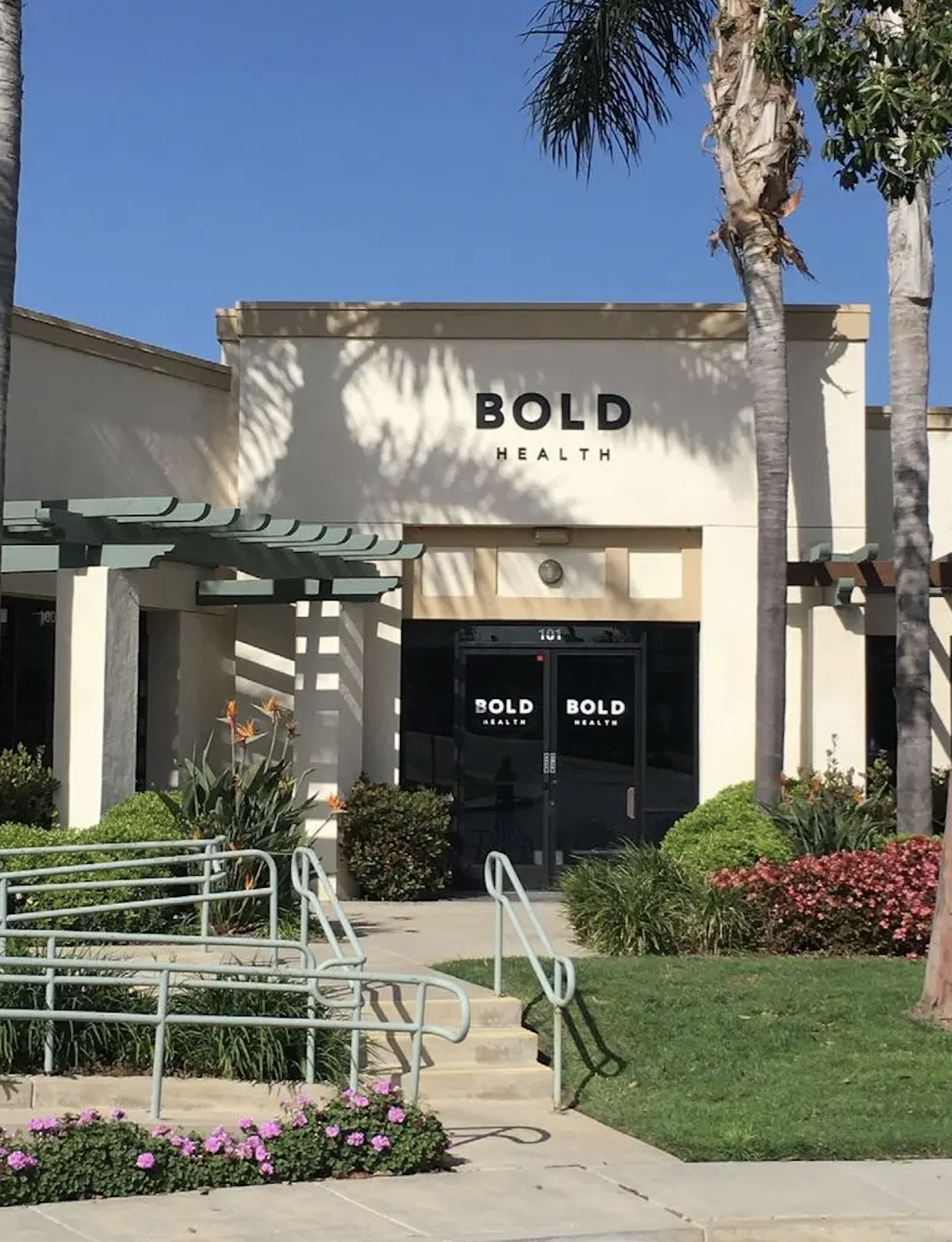
Intensive Outpatient Program—BOLD Health clinic exterior

How to Get Started With Substance Abuse Treatment at BOLD Health

Taking the first step toward recovery can feel overwhelming, but you don’t have to navigate it alone.
We accept most major insurance plans and offer prompt availability for assessments.

To begin:

  • Call our office

  • Complete a confidential intake

  • Meet with our clinical team

  • Receive a personalized treatment plan tailored to your needs

Your recovery matters—and the right support can change everything.

Frequently Asked Questions About Substance Abuse IOP in San Diego

What is a substance abuse IOP?
A substance abuse Intensive Outpatient Program (IOP) is a structured form of addiction treatment that typically involves 9–12 hours of therapy per week while allowing individuals to live at home. It provides a higher level of care than weekly outpatient therapy but does not require residential treatment.


Who is a good candidate for a substance abuse IOP?
An IOP may be appropriate if substance use is interfering with your daily life, work, or relationships, but you do not require medical detox or 24-hour supervision. It is also commonly used as a step-down level of care after inpatient treatment.


How is BOLD Health’s IOP different from other addiction programs?
BOLD Health’s IOP is rooted in psychodynamic and intensive short-term dynamic psychotherapy (ISTDP) rather than symptom-focused or manualized approaches. Treatment focuses on identifying emotional and relational patterns that drive substance use and addressing them at the source.


What types of therapy are used in BOLD Health’s substance abuse IOP?
Our IOP emphasizes psychodynamic psychotherapy, group process work, psychiatry-led care, and medication management when appropriate. The focus is on insight, emotional processing, and long-term change—not just behavioral control.


Does BOLD Health offer medication-assisted treatment (MAT)?
Yes. When clinically appropriate, medication-assisted treatment may be incorporated as part of a comprehensive treatment plan and is overseen by our psychiatric team.


What is the weekly schedule for the substance abuse IOP?
BOLD Health offers morning and afternoon IOP tracks, including an afternoon option from 1:30–5:00 PM. We do not offer evening IOP groups. Scheduling is designed to support consistency while allowing patients to maintain work or family responsibilities.


Do you accept insurance for substance abuse IOP?
BOLD Health is currently in-network with Blue Shield, Aetna, Cigna, UnitedHealthcare, and Health Net. Coverage varies by plan, and our admissions team can help verify benefits prior to starting treatment.


Is IOP effective for addiction recovery?
For many individuals, IOP provides an effective balance of structure and flexibility. Outcomes depend on individual engagement, clinical needs, and continuity of care, but IOP is widely recognized as an evidence-based level of treatment for substance use disorders.


Can I work or attend school while in IOP?
Yes. One of the primary benefits of an IOP is that it allows individuals to continue working, attending school, or caring for family while receiving intensive treatment.


How do I know if I need IOP or residential treatment?
If you are medically stable, have a safe home environment, and can maintain sobriety outside of a controlled setting, IOP may be appropriate. A comprehensive psychiatric assessment at BOLD Health will determine the safest and most effective level of care.

White outline of a life preserver ring with four segments on a black background.

Do you think you may be suffering from any of these conditions?

We’re here for you and are ready to help you walk through the process of self-discovery and healing. Give us a call at 760-503-4703 or contact us with any questions.