

While the term “alcoholic” isn’t used as often in medical circles, opting for “alcohol use disorder” instead, you’ve probably heard the term “high-functioning alcoholic” before. But what exactly is a high-functioning alcoholic? It undoubtedly sounds contradictory. After all, how can an alcoholic or someone struggling with alcohol use disorder (AUD) be high-functioning?
Unfortunately, not only is it possible, but it is likely happening more often than you think. It’s not something measured through research, but with close to 30 million U.S. individuals dealing with AUD, there is a good chance there are people in your life who would be considered high-functioning alcoholics.
Recognizing the signs of a high-functioning alcoholic can be tricky since, well, they are high-functioning. But there are certain things you can look for in your friends and family (or yourself) that could point to them being addicted to alcohol. And, of course, if there are signs of AUD, you should seek alcohol treatment in San Diego for yourself or your loved one as soon as possible.
What Exactly is a “High-Functioning Alcoholic?”

Alcohol is a socially accepted substance that is often at the center of celebrations and social gatherings. Plenty of people drink on a regular basis, using alcohol as a social lubricant or for temporary stress relief. While most individuals don’t intend on becoming addicted to alcohol, drinking regularly can lead to alcohol use disorder, which includes potentially becoming a highly-functioning alcoholic.
A high-functioning alcoholic is someone who suffers from alcohol use disorder but can maintain the appearance that they have control over their drinking. Their hygiene is fine, they can socialize without drawing attention to their alcohol consumption, and they can hold down a steady job. High-functioning alcoholics appear to have everything together, but underneath, they battle addiction. This is precisely why it’s challenging to identify their AUD.
Signs of a High-Functioning Alcoholic
Because high-functioning alcoholics rarely show any external signs of alcohol addiction, they are at risk of some serious mental and physical health challenges. Being unable to recognize signs of alcohol addiction means you or your loved one won’t get the help they need to overcome addiction before it gets worse or something horrible happens.
That’s why it’s crucial to understand what to look for when identifying AUD or functioning alcoholism. Here are some warning signs you should look for.
- Denial of addiction: Admitting to alcohol addiction isn’t easy. If you try to speak to someone who is dealing with AUD, they may deny they have a drinking problem and attempt to justify their habits by focusing on the fact that they can function just fine in daily life. (Until they can’t.)
- Defensiveness about drinking habits: If you ask a high-functioning alcoholic how much they drink, there’s a good chance they’ll answer with something like, “Oh, not that much,” even if you know that’s not true. And if you suggest they get help, they’ll avoid or get angry about the conversation.
- High tolerance for alcohol: Like with any substance, the more often you consume it, and the more of it you consume, the more you’ll need to feed its desired effects. And the longer you drink alcohol in high amounts, the more and more you’ll “need.”

- Drinking large quantities without appearing intoxicated: This goes hand-in-hand with a high-functioning alcoholic’s tolerance level. Those addicted to alcohol will be able to consume what seems like a large quantity of alcohol to anyone else and not even appear intoxicated.
- Concealed alcohol consumption: Many dealing with AUD hide how much they drink because they are ashamed or worried others will grow concerned. They hide their drinking from others or conceal it in innocent-looking containers because they know they have an issue on a subconscious level but aren’t ready to face it.
- Consuming alcohol in dangerous or inappropriate situations: Someone addicted to alcohol is at risk for impaired judgment. Drinking too much regularly can lead to making horrible decisions like drinking and driving, drinking while operating machinery, first thing in the morning, during your lunch break, or more.
When considering high-functioning alcoholics, you have to look a little harder to see some of these symptoms. The above symptoms can be true for anyone dealing with alcohol use disorder. It’s just that some people are able to hide it better – and that’s a dangerous game.
High-Functioning vs. Non-High-Functioning Alcoholism
All forms of alcohol use disorder are dangerous. One could argue, however, that highly-functioning alcoholism is even more dangerous since it’s difficult to spot. There is another level of alcohol use disorder referred to as non-high-functioning alcoholics.
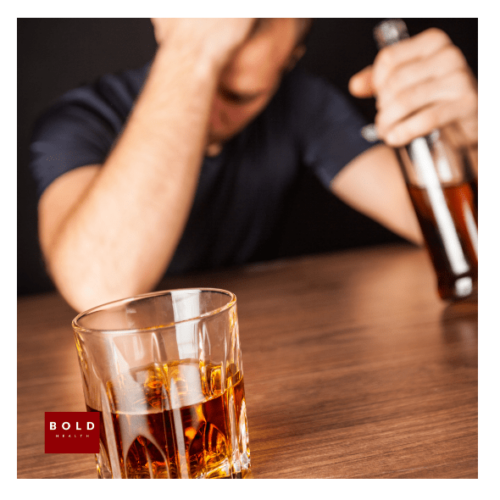
Non-high-functioning alcoholics show more outward symptoms of alcohol addiction. They may exhibit physical signs of drinking, isolate themselves from others, and drink in a way that disrupts their responsibilities, jobs, and relationships.
Someone who appears to have it all together, including how much they drink, could be a highly-functioning alcoholic on their way to becoming a non-high-functioning alcoholic if they don’t get the intervention they need.
Consequences Of Being a High-Functioning Alcoholic
While they may not suffer immediate external consequences, individuals struggling with alcohol use disorder who hide it well still face serious repercussions. Whether others recognize their drinking issues or not, their body can’t deny their alcohol dependence. Continued alcohol abuse can lead to cirrhosis of the liver, stomach ulcers, kidney failure, heart disease, and more.
Physical consequences aren’t the only ones high-functioning alcoholics face. They’ll also deal with the following:
- poor work or school performance
- relationship problems
- financial issues
- family problems
- loss of friendships
- job loss or school expulsion
Being addicted to alcohol robs people of living a fulfilling life and negatively impacts those around them. If you or someone you know is struggling with alcohol use disorder, it’s imperative you get help through alcohol treatment in San Diego or wherever you’re located.

Looking for Alcohol Rehab in San Diego? Look No Further Than BOLD Health.
Don’t let alcohol addiction go any further. Whether you or someone you know is struggling outwardly with AUD or managing to hide the signs of a high-functioning alcoholic, getting help is absolutely essential. Life is a precious gift, and there’s no reason anyone should waste the beauty of it on addiction.
At BOLD Health, we have a highly-trained team of clinicians ready to help. We won’t simply aim to reduce negative symptoms. We’ll get to the root of the issue by getting to know what brought you or your loved one to our door. Our holistic approach means we treat the whole individual so they can successfully overcome addiction. Depending on their needs, their treatment through our alcohol rehab in San Diego may include:
- individual therapy
- group therapy
- family therapy
- medication management
- alcohol detox
- intensive outpatient program (IOP in San Diego)
Alcohol addiction is costly. Don’t wait to get the help you or your loved one needs before it costs too much.