

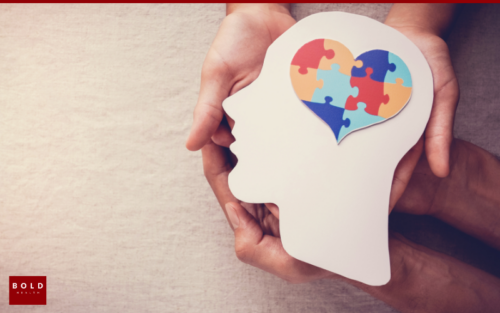
Breaking the Stigma: Exploring the Effectiveness of Intensive Outpatient Programs for Mental Health
Millions of people worldwide grapple with mental health challenges. Often, the fear of judgment or negative social perceptions acts as a barrier to seeking crucial help. This blog aims to…

Navigating Life After Inpatient Treatment
How Intensive Outpatient Programs (IOPs) Can Help Leaving inpatient treatment for mental health concerns can feel like stepping off a rollercoaster back into reality. While you’ve made incredible strides, long-term…

Healthcare Professionals in IOP: Strategies for Overcoming Burnout and Stress
Healthcare professionals in Intensive Outpatient Programs (IOP) play a vital role in delivering effective mental health and substance abuse treatments. They often work in high-stress environments, which can lead to…

Understanding IOP in San Diego: What to Expect
Welcome to our comprehensive guide on Intensive Outpatient Programs (IOP) in San Diego. If you or a loved one are considering IOP as a step in the journey of recovery,…

IOP for Entrepreneurs: Balancing Business and Mental Health
The Entrepreneurial Mindset and Mental Health As entrepreneurs, we’re often caught in the whirlwind of business operations, juggling multiple roles and responsibilities. But what often gets sidelined in this hustle…

Tips for Choosing the Right IOP in San Diego: A Comprehensive Guide
Why Choosing the Right IOP Matters When it comes to overcoming addiction or managing mental health issues, selecting the right Intensive Outpatient Program (IOP) in San Diego is crucial. It’s…

7 Steps to Master The Journey of Self-Discovery and Personal Growth in IOP
Life’s journey is often paved with unique experiences and learnings. Embarking on a quest for self-discovery and personal growth within the realm of Intensive Outpatient Programs (IOP) is no different.…

The Importance of Individual Counseling Sessions in IOP
What is IOP? Intensive Outpatient Programs (IOP) serve as a vital step in the substance abuse and mental health treatment continuum. They offer a structured treatment environment while allowing individuals…

The Importance of Setting Boundaries in Recovery
In the realm of recovery, whether from addiction or mental health challenges, understanding and setting boundaries is not just beneficial—it’s essential. These boundaries serve as our personal guidelines, marking what…

The Power of Journaling and Writing in IOP Recovery
Recovery from any mental health issue is an extremely difficult process. Intensive Outpatient Programs (IOP) are designed to provide the additional support necessary for someone to heal and overcome their…
BOLD Health: Your Top Choice for a TRICARE IOP in San Diego
If you are a U.S. Veteran, first, we’d like to genuinely thank you for your service to our country. Our great nation owes a significant debt of gratitude to you…

How An IOP is Effective in Treating Depression
You’ve decided to get the professional help you need to feel more like yourself again. But what kind of help do you actually need to battle your depression? Do you…