

From Denial to Recovery: Turning Points in the Journey to Overcoming Addiction
The path to overcoming addiction is rarely a smooth, straight highway. It’s more like a winding mountain road, filled with challenges, unexpected turns, and moments of breathtaking clarity. But within…
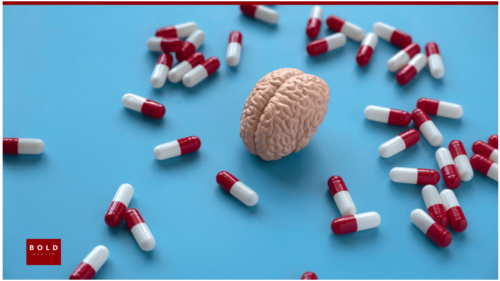
The Science of Addiction: How Addiction Affects the Brain
The complex issue of addiction affects millions of people worldwide. But have you ever wondered why some people get trapped in the cycle of substance abuse and addiction while others…

Why Celebrating Addiction Recovery Milestones is Important
Recovery from alcohol addiction is a journey containing many ups and downs. It requires courage, dedication, and perseverance to make positive changes in your life to cut ties with alcohol.…

The Important Role of Family in Addiction Recovery
Overcoming Stigma, Shame, and Guilt in Addiction Recovery A solid support system is one of the most crucial aspects of ensuring success in addiction recovery. While friends and peers are…

Overcoming Stigma, Shame, and Guilt in Addiction Recovery
A significant barrier to your recovery in drug or alcohol rehab is dealing with feelings of shame and guilt in recovery. These feelings often stem from the negative stigma associated…

Exploring Teenage Substance Abuse: Role of Psychiatrists in Intervention and Treatment
In today’s fast-paced and ever-changing world, teenage substance abuse has become a pressing issue that demands immediate attention. As society grapples with the devastating effects of addiction, it is crucial…

The Benefits of Meditation and Mindfulness in Addiction Recover
When you think of alcohol rehab, you may picture inpatient rehabilitation programs, intensive outpatient programs (IOPs), outpatient detox, medication management, and group recovery meetings. These are all excellent programs to…
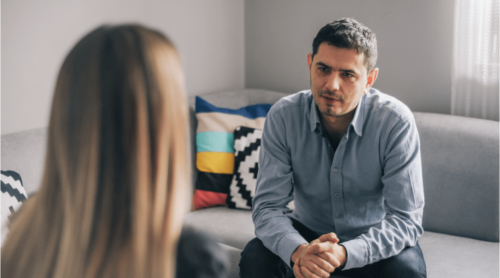
The Role of Therapy in Alcohol Addiction Treatment
Recovery from alcohol addiction takes time and commitment. It also takes the unwavering support of friends, family, and a trusted, trained therapist. Addiction involves functional changes to your brain revolving…
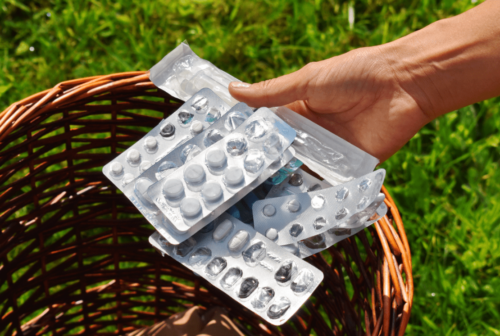
Life After Opiate Addiction Treatment in San Diego: Tips for Successful Recovery
Addiction is a serious problem that affects many people worldwide. Opiate addiction is particularly difficult to overcome and often requires professional treatment. Fortunately, San Diego residents have access to several…
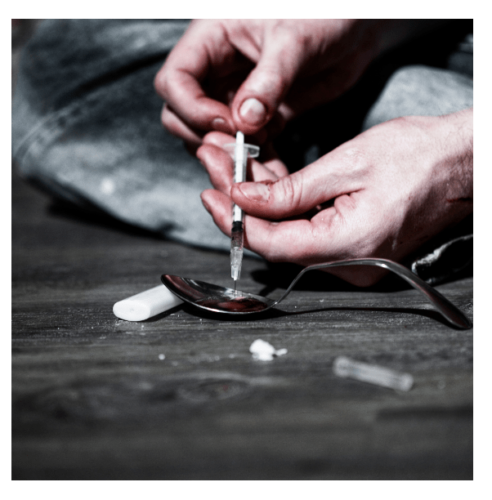
Is Heroin a Stimulant? How the Drug Effects You
Heroin. Dope. Smack. Snow. It’s one of the most commonly abused street drugs in the U.S. An estimated 1.1 million people in the nation reported using heroin in 2021. And…
The 5 Stages of Addiction Recovery
Approximately 21 million Americans struggle with at least one addiction, yet only 10% get the help they need to recover. But for drugs or alcohol to no longer control your…
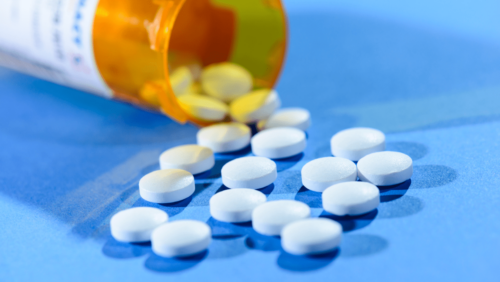
What Are the Dangers of Clonazepam Long-Term Use?
Clonazepam, otherwise known as Klonopin, is a commonly-prescribed benzodiazepine for specific ailments like epilepsy, panic disorder, and restless legs syndrome (RLS). However, the only time you’ll receive a prescription for…