

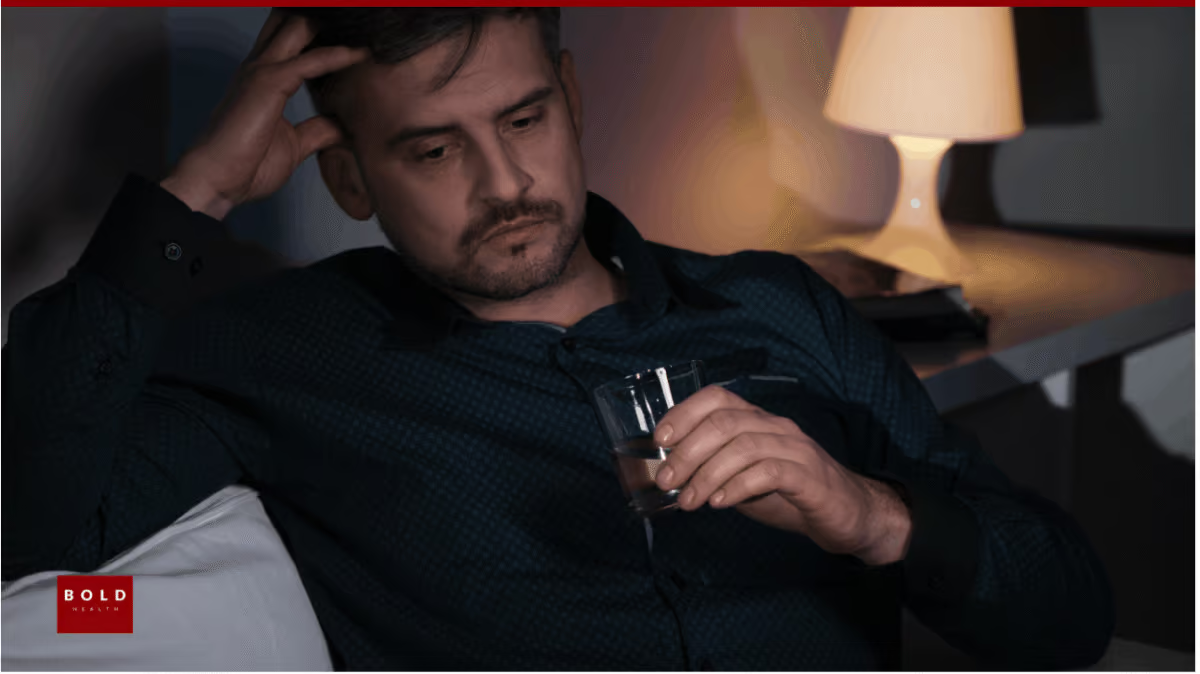
You had a few drinks to unwind after a stressful week, get through a social event, or take the edge off before bed. At first, you felt calmer.
Then something shifted.
Your heart started racing. Your chest felt tight. Your breathing changed, and a wave of dread came over you without an obvious explanation. Maybe it happened later that night, the next morning, or after you woke suddenly from sleep.
If you’ve experienced panic symptoms during or after drinking, you’re not imagining the connection. Alcohol can contribute to anxiety and may trigger panic attacks in some people. It can also cause withdrawal symptoms that feel remarkably similar to panic.
Understanding what’s happening can help you decide whether you’re dealing with an isolated reaction, a growing pattern, or a sign that your body is becoming more dependent on alcohol.
Can Alcohol Really Cause a Panic Attack?
Yes, alcohol can contribute to panic attacks.
That doesn’t mean everyone who drinks will experience panic.
Your response can depend on several factors:
- How much and how often you drink
- Your baseline anxiety level
- Your sleep quality
- Your physical health
- Any medications you take
- Whether your body has begun adapting to regular alcohol use
Alcohol may feel calming at first because it temporarily slows activity in the central nervous system. But that effect doesn’t always last. As your body processes the alcohol, your nervous system may become more activated, leaving you restless, shaky, tense, or unusually alert.
For someone who’s already vulnerable to anxiety or panic, those physical sensations may be enough to trigger a full panic episode.
If alcohol has become one of your main ways of managing stress, anxiety, or emotional pain, it may be time to look more closely at the pattern. Effective alcohol addiction treatment should address both the drinking and the emotional or mental health symptoms connected to it.
Why Alcohol Can Feel Calming at First
Alcohol affects several chemical systems involved in how alert, calm, and emotionally regulated you feel.
One of these systems involves gamma-aminobutyric acid, or GABA. GABA helps slow activity in the brain. Alcohol can enhance some of its calming effects, which is one reason drinking may temporarily make you feel less tense, less self-conscious, or less overwhelmed.
Alcohol also affects glutamate, which plays a role in alertness and nervous-system activity.
Together, these changes can create that familiar sense of relief. Your thoughts may slow down. Your muscles may loosen. A stressful situation may feel easier to tolerate.
But your brain works to maintain balance. As alcohol leaves your system, its calming effects fade. For some people, nervous-system activity then shifts in the other direction, contributing to symptoms such as:
- A racing or pounding heart
- Shakiness or trembling
- Sweating
- Muscle tension
- Restlessness
- Difficulty sleeping
- Racing thoughts
- A sense that something bad is about to happen
Those sensations can resemble the beginning of a panic attack. If you become frightened by the sensations themselves, the fear may intensify them further.
What Is Hangxiety?
“Hangxiety” is an informal term for the anxiety that can show up during a hangover or in the hours after drinking.
You may wake up feeling tense, unsettled, or unusually vulnerable. Your heart may be beating faster than usual. Your stomach may feel off, your sleep may have been poor, and your thoughts may immediately start searching for a reason something feels wrong.
Part of this experience can be physical. As your body processes alcohol and works to return to its usual balance, you may feel more activated or emotionally sensitive.
Poor sleep, dehydration, changes in blood sugar, and other hangover symptoms can add to that discomfort. Even mild physical sensations can feel alarming when you’re already prone to panic.
There may also be a psychological layer.
You might replay something you said, worry that you embarrassed yourself, or feel uneasy because parts of the night are blurry. Shame, uncertainty, and self-criticism can feed the same alarm response already happening in your body.
This combination can make morning-after anxiety feel much more intense than the situation seems to warrant. But the distress is real. Your body and mind may both be contributing to the sense that something is wrong.
When Alcohol Withdrawal Feels Like Panic
For people who drink heavily or regularly, panic-like symptoms may be related to alcohol withdrawal.
Withdrawal can begin when someone who has become physically dependent on alcohol suddenly stops drinking or significantly reduces how much they drink. Early symptoms may include anxiety, trembling, sweating, nausea, trouble sleeping, agitation, and a rapid heart rate.
Clinical literature on alcohol withdrawal syndrome published through the National Library of Medicine confirms that anxiety is one of the most common early symptoms, often appearing right alongside these physical signs.
Those symptoms overlap closely with panic attacks, which can make it difficult to tell what’s happening.
You may be more likely to experience withdrawal-related symptoms if:
- You drink heavily or frequently
- You feel shaky, anxious, or unwell when you haven’t had alcohol
- Drinking relieves those symptoms
- You’ve needed more alcohol over time to get the same effect
- You’ve experienced withdrawal symptoms before
- Your morning anxiety has become more intense or frequent
- You’ve tried to cut back and felt physically worse
Possible withdrawal should be taken seriously. Abruptly stopping alcohol after prolonged heavy drinking can lead to severe symptoms, including hallucinations, seizures, confusion, and delirium tremens. These complications can be life-threatening and require urgent medical treatment.
Don’t assume severe shaking, confusion, hallucinations, seizures, extreme agitation, or rapidly worsening symptoms are “just panic.” Seek emergency medical care.
If you’re not sure if your symptoms come from panic, withdrawal, a heart issue, medication interactions, or something else, get evaluated. Don’t try to diagnose them on your own.
The Anxiety-and-Alcohol Cycle
If alcohol can make anxiety worse, why do so many people drink specifically to calm down?
Because in the moment, it may work.
A drink may temporarily quiet racing thoughts, reduce social anxiety, soften emotional discomfort, or help you fall asleep. Your brain then begins associating alcohol with relief.
But when the calming effect fades, anxiety may return. Sometimes it returns more intensely, especially after heavy or frequent drinking.
That can create a repeating cycle:
- You feel anxious, tense, overwhelmed, or emotionally uncomfortable.
- You drink to feel calmer.
- The immediate discomfort decreases.
- The alcohol wears off, and anxiety or panic symptoms emerge.
- You feel pulled toward alcohol again because it seemed to help before.
Over time, the relief may become shorter while the anxiety between drinking episodes becomes harder to tolerate. Alcohol can start to feel less like an optional way to relax and more like something you need to feel normal.
Alcohol use disorder also frequently occurs alongside anxiety and other mental health conditions. Either concern may develop first, and each can make the other more difficult to manage.
Is It Panic Disorder, Alcohol-Induced Anxiety, or Both?
Not every panic attack after drinking has the same cause.
Some people had panic disorder or another anxiety condition before alcohol became part of the picture. They may have started drinking to manage symptoms that were already present.
Others notice panic symptoms only after drinking, during hangovers, or when trying to cut back.
For some people, several factors are involved at once:
- An existing anxiety disorder
- Alcohol’s short-term and rebound effects
- Poor sleep
- Withdrawal
- Chronic stress
- Fear of physical sensations
- Shame or worry about what happened while drinking
- Other medications or health conditions
That’s why a thorough assessment matters. Treatment should be based on what’s actually contributing to your symptoms rather than assuming every panic episode has the same explanation.
Why Coping With the Panic Alone May Not Be Enough
Breathing exercises, grounding strategies, and other coping tools may help you move through a panic episode. They can be valuable parts of treatment.
But if alcohol is repeatedly triggering or intensifying the panic, coping with each episode individually may not interrupt the larger pattern.
You may also need help understanding:
- How often and how much you’re drinking
- Whether your body has become dependent on alcohol
- What emotional situations tend to lead to drinking
- Whether anxiety existed before the alcohol use increased
- What happens during the hours or days after drinking
- Whether you need medical support to reduce or stop safely
- Whether another health condition could be contributing to the symptoms
For many people, alcohol became a coping strategy before it became a problem. It may have helped manage work stress, grief, loneliness, relationship strain, trauma, social anxiety, or feelings that were difficult to tolerate directly.
That doesn’t mean every panic attack is a hidden message or that emotional insight alone will stop the symptoms. It means lasting treatment may need to address the physical effects of alcohol, the anxiety itself, and the reasons drinking became connected to relief.
What Integrated Treatment Can Address
Treating alcohol use and anxiety together can help prevent one condition from continually restarting the other.
An integrated treatment plan may help you:
- Determine whether withdrawal management or detox is needed
- Understand how alcohol is affecting your anxiety and nervous system
- Identify triggers for drinking and panic
- Build ways to manage distress without relying on alcohol
- Address panic disorder, generalized anxiety, depression, trauma, or other co-occurring concerns
- Evaluate whether medication may be helpful
- Work through emotional and relationship patterns connected to drinking
- Create a realistic plan for continued recovery
Treatment for alcohol use disorder may include behavioral health care, medication, mutual-support resources, or a combination of approaches.
The right plan depends on the person, the severity of the alcohol use, co-occurring conditions, medical needs, and treatment goals.
How BOLD Health Treats Alcohol Use and Anxiety
At BOLD Health, we understand that alcohol use and panic symptoms don’t always fit into separate boxes.
Our physician-led Intensive Outpatient Program (IOP) provides structured support for adults experiencing alcohol use disorder, anxiety, depression, trauma, and other co-occurring mental health concerns.
Care begins with a comprehensive assessment. This helps the clinical team understand your drinking pattern, panic symptoms, treatment history, physical and mental health, medications, and current level of functioning.
The assessment can also help determine whether IOP is an appropriate starting point or whether you may need medical detox or another level of stabilization first.
Depending on your clinical needs, BOLD Health’s IOP may include:
- Group therapy three times per week
- Weekly individual therapy
- Psychiatric care and medication management when appropriate
- Treatment for co-occurring alcohol use and anxiety
- Medication-assisted treatment for alcohol use disorder when appropriate
- Case management and aftercare planning
- Morning and afternoon scheduling options
- In-network coverage with Blue Shield, Aetna, Cigna, United Healthcare, and Health Net, with benefits verified before you commit to anything
Our approach is built around the BOLD Method, which combines psychiatric care with depth-oriented psychotherapy, including psychodynamic therapy and Intensive Short-Term Dynamic Psychotherapy, or ISTDP.
Treatment looks at both the symptoms affecting you now and the patterns that may be keeping them going. The goal isn’t simply to get you through the next panic attack. It’s to help you understand what’s contributing to the cycle and build a steadier way forward.
You Don’t Have to Sort This Out Alone
Panic attacks after drinking can be frightening, especially when you don’t know whether the symptoms are caused by anxiety, alcohol withdrawal, or something else.
You don’t need to figure that out by yourself.
If panic symptoms have become a regular part of drinking, recovering from drinking, or trying to cut back, it’s worth taking the pattern seriously. The same is true if alcohol has started to feel less like a choice and more like something you need to relax, sleep, or function.
A confidential assessment can help clarify whether alcohol, panic, withdrawal, or a combination of factors may be contributing to what you’re experiencing. It can also help determine what level of care may be safest and most appropriate.
Frequently Asked Questions About Alcohol and Panic Attacks
Q: Can drinking alcohol cause a panic attack the same night?
A: Yes. Some people experience panic symptoms while they’re still drinking or as the initial calming effects begin to fade. Alcohol can affect heart rate, sleep, hydration, and nervous-system activity, all of which may contribute to panic-like sensations.
Q: Why do I feel more anxious the day after drinking?
A: Morning-after anxiety, sometimes called hangxiety, may be influenced by changes in nervous-system activity, disrupted sleep, dehydration, physical hangover symptoms, and worry about what happened while drinking. These effects can be especially intense for people who already experience anxiety or panic.
Q: How do I know whether it’s a panic attack or alcohol withdrawal?
A: Panic and alcohol withdrawal can both cause a racing heart, trembling, sweating, nausea, agitation, and intense fear. Because the symptoms overlap, it may be difficult to tell without a medical or clinical evaluation. People who drink heavily or regularly should take possible withdrawal symptoms seriously.
Q: Why does alcohol calm me down at first but make me anxious later?
A: Alcohol temporarily slows activity in the central nervous system, which may make you feel relaxed. As that effect wears off, your nervous system may become more activated. That shift can contribute to restlessness, rapid heart rate, tension, and panic symptoms.
Q: Can stopping drinking fix alcohol-related panic attacks?
A: Reducing or stopping alcohol may improve panic symptoms over time, but suddenly stopping can be medically dangerous for people who drink heavily or regularly. A clinical assessment can help determine whether you need medically supervised detox, outpatient treatment, or another level of care.
Q: When should I seek emergency help for symptoms after stopping alcohol?
A: Seek emergency medical care for seizures, hallucinations, severe confusion, extreme agitation, fainting, chest pain, difficulty breathing, or rapidly worsening symptoms. Severe alcohol withdrawal can be life-threatening.
Q: Does BOLD Health treat panic attacks and alcohol use together?
A: BOLD Health treats co-occurring alcohol use and anxiety symptoms, including panic symptoms when appropriate. Care may include psychiatric evaluation, medication management, group therapy, individual psychodynamic therapy, and support for the emotional patterns connected to both concerns.