

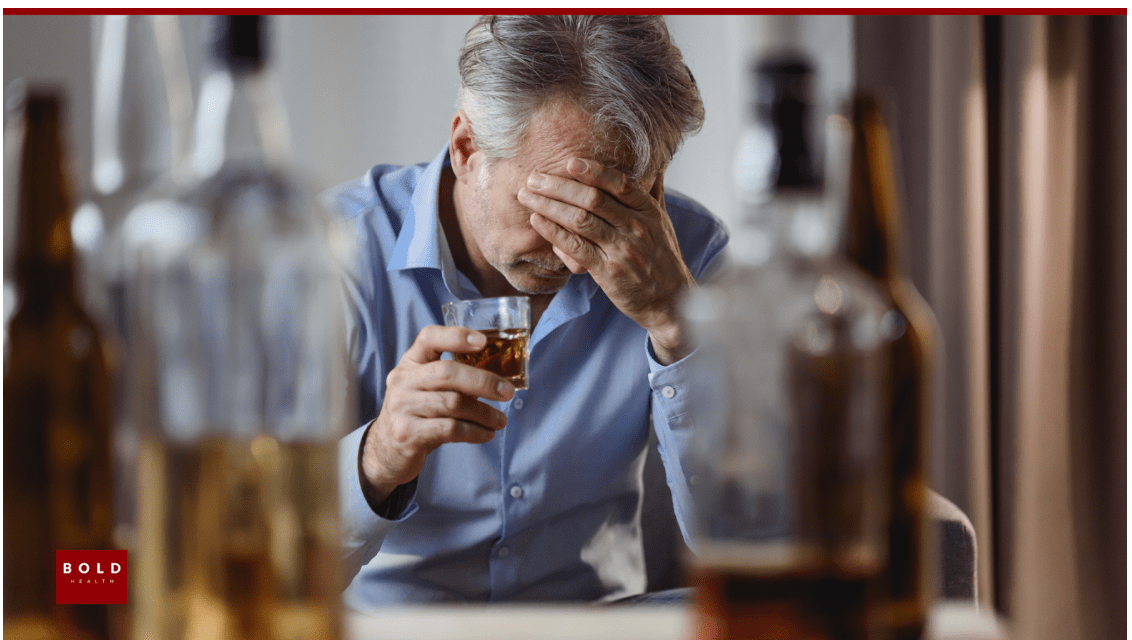
You may notice that alcohol affects you differently now than it did several years ago.
Maybe you feel the effects of a few drinks more strongly. Perhaps your sleep is worse afterward, recovery takes longer, or drinking leaves you feeling more tired, anxious, or mentally foggy the next day.
Alcohol does not literally make everyone age faster in the same way, but aging can change how your body responds to alcohol.
Health conditions, medications, sleep, hydration, liver function, balance, cognition, and changes in body composition can all influence the way alcohol affects you as you get older.
Understanding these changes can help you make more informed decisions about drinking and recognize when alcohol may be affecting your health or daily life.
At BOLD Health, we provide individualized mental health and addiction and substance use treatment for adults throughout San Diego County.
Does Alcohol Affect You Differently as You Get Older?
It can.
Aging affects many systems involved in how your body responds to alcohol.
For example, changes in body composition, metabolism, medications, sleep, and overall health may mean the amount of alcohol you once tolerated comfortably affects you differently later in life.
You may notice:
- stronger effects from the same amount of alcohol
- more fatigue afterward
- poorer sleep
- increased dehydration
- greater problems with balance
- more noticeable changes in mood
- difficulty concentrating
- longer recovery after drinking
There is no specific age when this suddenly happens.
The effects vary depending on your overall health, drinking pattern, medications, and other individual factors.
Why Alcohol May Feel Stronger as You Age
Alcohol’s effects depend partly on how it is distributed and processed by the body.
As people age, changes in body composition and health can influence blood alcohol levels and sensitivity to alcohol.
That means someone may find that the drinking pattern they tolerated when they were younger no longer feels the same.
It can be useful to pay attention to how you actually feel rather than assuming your response to alcohol will remain unchanged throughout adulthood.
Alcohol and Sleep as You Get Older
Sleep often changes with age even without alcohol.
Adding alcohol can make sleep more complicated.
Alcohol may initially make you feel sleepy, which can make it tempting to use a drink as part of your nighttime routine.
But feeling sedated is not necessarily the same as getting restorative sleep.
After drinking, you may notice:
- waking during the night
- sleeping less deeply
- feeling tired the following morning
- difficulty concentrating
- greater irritability
- less energy during the day
When sleep is repeatedly disrupted, everyday stress can also become harder to manage.
If drinking has become part of the way you cope with stress, our guide to how to cope with stress without alcohol offers alternative strategies.
Alcohol, Balance, and Fall Risk
Alcohol affects coordination, reaction time, and judgment.
Those effects can become particularly important as people get older.
Changes in:
- balance
- vision
- muscle strength
- reaction speed
- medications
- blood pressure
may already affect stability.
Adding alcohol may make falls or injuries more likely for some individuals.
This does not mean every older adult who drinks will fall.
But if you have begun noticing unsteadiness, dizziness, or difficulty with balance after drinking, it is worth discussing with a healthcare professional.
Alcohol and Medications
Medication use often becomes more common with age.
That makes alcohol-medication interactions especially important to consider.
Alcohol can interact with certain medications used for:
- sleep
- anxiety
- depression
- pain
- blood pressure
- diabetes
- seizures
- other medical or psychiatric conditions
Depending on the medication, combining it with alcohol may increase sedation, dizziness, impairment, or other unwanted effects.
Do not assume that alcohol is safe simply because a medication is prescribed.
Ask your prescriber or pharmacist whether alcohol should be avoided or limited while taking your medications.
Alcohol and Cognitive Function
Alcohol can temporarily affect:
- attention
- memory
- judgment
- reaction time
- decision-making
Frequent or heavy alcohol use can also make it more difficult to distinguish alcohol-related cognitive symptoms from other changes occurring with age.
For example, if you frequently feel foggy, forgetful, or unable to concentrate, several factors could be involved:
- alcohol
- medications
- poor sleep
- anxiety
- depression
- medical conditions
- normal age-related changes
Rather than assuming one cause, it is worth discussing persistent cognitive changes with a qualified healthcare professional.
Alcohol and the Liver
Your liver plays an important role in processing alcohol.
Heavy or prolonged alcohol use can damage the liver, and liver health can become increasingly important as other health conditions or medications are added over time.
Alcohol-related liver problems can develop without obvious symptoms in their earlier stages.
If you are concerned about how drinking is affecting your physical health, your medical provider can help determine whether evaluation or laboratory testing may be appropriate.
For a broader look at alcohol’s physical effects, read our guide to how alcohol affects your body.
Alcohol and Dehydration
Alcohol can contribute to dehydration.
As people age, maintaining adequate hydration can already become more important due to medications, health conditions, activity level, and other factors.
Drinking may leave you experiencing:
- thirst
- headache
- fatigue
- dizziness
- dry mouth
- reduced concentration
If dehydration or dizziness is becoming a recurring problem after drinking, that may be another sign that your body is responding to alcohol differently than it once did.
Does Alcohol Affect Your Skin as You Age?
Alcohol can contribute to dehydration and may temporarily affect the appearance of your skin.
Some people notice:
- dryness
- puffiness
- flushing
- more noticeable redness
However, it is overly simplistic to say that alcohol automatically causes wrinkles or directly determines how old someone looks.
Skin aging is affected by many factors, including:
- genetics
- sun exposure
- smoking
- hydration
- nutrition
- sleep
- stress
- overall health
Alcohol may be one factor among many.
Alcohol and Bone Health
Bone density commonly decreases with age, particularly later in adulthood.
Heavy alcohol use may also be associated with poorer bone health.
The relationship is influenced by many factors, including:
- nutrition
- physical activity
- hormones
- medications
- smoking
- overall health
If you have osteoporosis, a history of fractures, or another condition affecting bone health, talk with your medical provider about whether alcohol may be an additional concern.
Alcohol and Mental Health as You Age
Alcohol use and mental health can influence one another.
Some people drink to cope with:
- loneliness
- retirement
- grief
- chronic stress
- relationship changes
- health concerns
- anxiety
- depression
- major life transitions
Alcohol may temporarily change how you feel, but relying on it as a primary coping strategy can create additional problems.
For example, drinking may affect:
- sleep
- motivation
- relationships
- mood
- anxiety
- daily routines
If depression and alcohol use are occurring together, our guide to alcohol and depression explains that relationship in more detail.
How Can You Tell Whether Drinking Is Becoming a Problem?
The important question is not simply how old you are.
Look at the role alcohol is playing in your life.
Consider whether you:
- drink more than you intend
- need more alcohol than you used to
- regularly drink to cope with stress
- rely on alcohol to sleep
- have strong cravings
- experience relationship problems because of drinking
- hide or minimize how much you drink
- have difficulty cutting back
- continue drinking despite health concerns
- frequently feel unwell after drinking
- notice alcohol interacting with medications
- experience withdrawal symptoms when you stop
Someone can have problematic alcohol use even if they remain professionally successful, socially active, or independent.
What If You Want to Cut Back?
If you are concerned about your drinking, you may begin by paying closer attention to when, why, and how much you drink.
Ask yourself:
- When do I most often drink?
- What usually happens before I want alcohol?
- Am I drinking because I enjoy it or because I feel I need it?
- Can I comfortably go without drinking?
- Has the amount I drink increased?
- Has alcohol begun affecting my sleep, relationships, health, or mood?
For some people, alcohol cravings can make reducing drinking particularly difficult.
Our guide to alcohol cravings and how to manage them explains common triggers and coping strategies.
Be Careful About Suddenly Stopping Alcohol
If you drink heavily or regularly, do not assume that abruptly stopping alcohol on your own is always safe.
Alcohol withdrawal can become medically serious for some people.
Possible withdrawal symptoms may include:
- anxiety
- tremors
- sweating
- nausea
- vomiting
- sleep problems
- increased heart rate
- changes in blood pressure
More serious withdrawal can involve seizures, hallucinations, severe confusion, or delirium tremens.
Your age, medical history, medications, previous withdrawal experiences, and drinking pattern may all affect treatment decisions.
BOLD Health provides outpatient alcohol detox for adults who are clinically appropriate for this level of care.
How Treatment Can Help
If alcohol is becoming harder to control, treatment does not have to begin only after a major crisis.
Individual therapy may help you explore:
- why you drink
- emotional triggers
- stress
- relationships
- alcohol cravings
- anxiety
- depression
- major life changes
- coping strategies
Treatment can also help you determine whether alcohol has become a primary way of managing uncomfortable emotions or life transitions.
Group Therapy and Alcohol Recovery
Group therapy can provide structured support alongside individual care.
Participants may work on:
- alcohol triggers
- cravings
- stress
- relationships
- emotional regulation
- coping strategies
- relapse prevention
- building healthier routines
For some people, hearing from others facing similar concerns can also reduce feelings of isolation.
Can IOP Help With Alcohol Use?
Some adults need more treatment structure than occasional outpatient appointments provide.
An Intensive Outpatient Program in San Diego provides scheduled treatment throughout the week while allowing appropriate participants to continue living at home.
Depending on your clinical needs, IOP may include:
- group therapy
- individual therapy
- psychiatric care
- medication management
- substance use treatment
- relapse-prevention planning
- coping-skills development
Age alone does not determine whether IOP is appropriate.
The right level of care depends on your symptoms, alcohol use, withdrawal risk, health, functioning, and other individual factors.
Alcohol Treatment in San Diego
Your relationship with alcohol can change over time.
A drinking pattern that felt manageable years ago may affect your sleep, health, mood, medications, relationships, or daily functioning differently today.
You do not have to wait until alcohol creates a major crisis before discussing it with someone.
BOLD Health provides individualized alcohol and mental health treatment for adults throughout San Diego County from our Encinitas location.
Depending on your clinical needs, treatment may include:
- individual therapy
- group therapy
- psychiatric care
- medication management
- relapse-prevention planning
- outpatient detox
- Intensive Outpatient Program care
If you are concerned about how alcohol is affecting you as you get older, contact BOLD Health at 760-503-4703 to discuss treatment options.
Frequently Asked Questions About Alcohol and Aging
Does alcohol affect you more as you get older?
It can. Changes in body composition, health, medications, sleep, and other factors may change the way your body responds to alcohol over time.
Why do hangovers seem worse as I get older?
Several factors may influence how you feel after drinking, including hydration, sleep, medications, overall health, drinking pattern, and individual differences.
Does alcohol make you age faster?
“Aging faster” is an oversimplification. Alcohol can affect systems related to sleep, hydration, liver health, cognition, balance, and overall health, but aging is influenced by many factors.
Can alcohol affect memory as you get older?
Alcohol can temporarily affect memory, attention, judgment, and concentration. Persistent cognitive changes should be evaluated professionally because alcohol is only one possible cause.
Can alcohol interact with medications?
Yes. Alcohol can interact with certain prescription and over-the-counter medications. Ask your prescriber or pharmacist whether drinking is safe with the medications you take.
Is it safe to suddenly stop drinking as I get older?
It depends on your alcohol use. People who drink heavily or regularly may experience serious withdrawal and should seek medical guidance before abruptly stopping.
When should I seek help for alcohol use?
Consider talking with a professional if you are drinking more than intended, having difficulty cutting back, relying on alcohol to cope or sleep, experiencing cravings, or noticing that drinking is affecting your health, relationships, medications, mood, or daily functioning.